

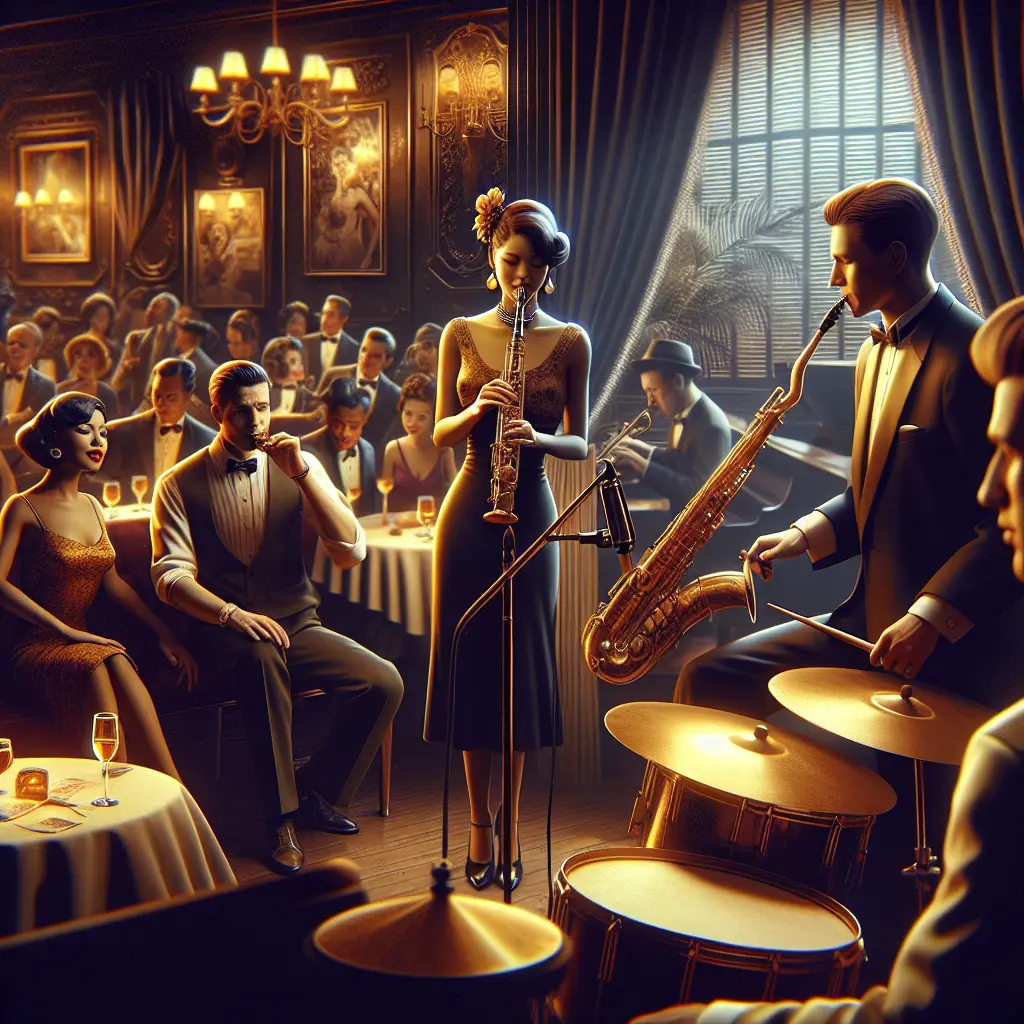
The 1950s marked an extraordinary chapter in the history of jazz music, often celebrated as the golden era of jazz. This vibrant decade witnessed the rise of legendary jazz venues and an electrifying jazz club culture that reverberated from the streets of Harlem to the bustling neighborhoods of New York. The jazz scene in the 1950s was a dynamic landscape where swing gave way to the innovative bebop era, and modern jazz began its ascent, forever altering American jazz history.
In this transformative period, famous jazz clubs of the 1950s became the heartbeat of musical exploration and expression. Legendary jazz venues were packed with enthusiasts eager to witness iconic jazz performances that defined a generation. The post-war jazz culture was rich with creativity, as influential jazz artists of the 1950s, including bebop pioneers, painted new sonic tapestries that captured the spirit of an evolving nation.
Jazz legends of the 1950s graced stages with their groundbreaking performances, pushing boundaries and captivating audiences with their improvisational genius. The Harlem jazz clubs of the 1950s were especially pivotal, serving as incubators for the burgeoning talent that would go on to shape the evolution of jazz music. Jazz club nightlife thrived, with 1950s jazz musicians creating an indelible impact on culture through their innovative sounds and trailblazing records.
As we delve deeper into this fascinating epoch, we uncover how these 1950s jazz clubs became crucibles for creativity and catalysts for the rise of modern jazz. This exploration reveals a world where music was more than entertainment; it was a revolution that left an enduring imprint on society.
The Golden Era of Jazz Clubs in the 1950s is a period revered not only for its vibrant music scene but also for its profound influence on the history of jazz music. This decade, celebrated as a transformative phase, was marked by the transition from swing to the bebop era and the rise of modern jazz. The jazz clubs of this era were not mere venues; they were crucibles of creativity, birthing iconic performances and nurturing the evolution of jazz music. Let's explore how these legendary venues shaped American jazz history.
Harlem: The Heartbeat of Jazz in the 1950s
Harlem's jazz clubs were pivotal in the development of jazz music in the 1950s. These clubs served as incubators for talent, where jazz legends of the 1950s honed their craft and electrified audiences with their improvisational genius. The Village Vanguard, for example, became a legendary venue that hosted influential jazz artists like John Coltrane and Thelonious Monk. This historic club remains a testament to the enduring legacy of jazz club culture in New York.
The 1950s witnessed a significant shift in jazz music history as swing gave way to bebop, a more complex and innovative style characterized by fast tempos and intricate chord progressions. This transition was facilitated by bebop era jazz clubs, which provided a platform for pioneering musicians like Charlie Parker and Dizzy Gillespie. These artists were instrumental in pushing the boundaries of jazz, leading to the rise of modern jazz and transforming the jazz scene in the 1950s.
Jazz club nightlife in the 1950s was an essential aspect of post-war jazz culture. Clubs like Birdland and The Blue Note became synonymous with iconic jazz performances that captivated audiences. The vibrant atmosphere of these clubs was a breeding ground for creativity, with 1950s jazz musicians constantly exploring new sonic landscapes. This cultural revolution left an indelible impact on society, influencing fashion, language, and social norms.
Influential jazz artists of the 1950s not only shaped the sound of jazz but also contributed to its cultural significance. Miles Davis, for instance, was a key figure whose innovative approach redefined jazz music. His album "Kind of Blue," recorded at Columbia's 30th Street Studio in New York, remains one of the best-selling jazz records of the 1950s. Davis' ability to blend different styles exemplified the evolution of jazz music during this golden era.
The Role of Jazz Records in Shaping Culture
Jazz records of the 1950s played a crucial role in disseminating the revolutionary sounds emerging from New York jazz clubs. Record labels like Blue Note Records and Prestige Records captured the essence of this era, producing albums that are still celebrated today. These recordings not only documented iconic performances but also helped popularize jazz music worldwide, solidifying its place in American culture.
Birdland, known as "The Jazz Corner of the World," epitomized the spirit of 1950s jazz clubs. Located in Manhattan, it was a hub for both established and emerging artists. According to recent updates from JazzTimes, Birdland continues to honor its legacy by hosting events that celebrate jazz legends and introduce new talent. This club's enduring presence highlights the lasting impact of 1950s jazz musicians on contemporary culture.
The legacy of 1950s jazz clubs is evident in today's music landscape. These venues were more than just places for entertainment; they were instrumental in fostering a jazz music revolution that continues to inspire generations. As we reflect on this golden era, it is clear that the history of jazz music is deeply intertwined with the stories of these legendary venues and the artists who graced their stages.
In conclusion, the golden era of jazz clubs in the 1950s was a period of unparalleled creativity and cultural influence. The clubs, musicians, and recordings from this time have left a lasting imprint on American jazz history, illustrating how music can transcend its role as mere entertainment to become a powerful force for cultural evolution.


Leave a Comment