


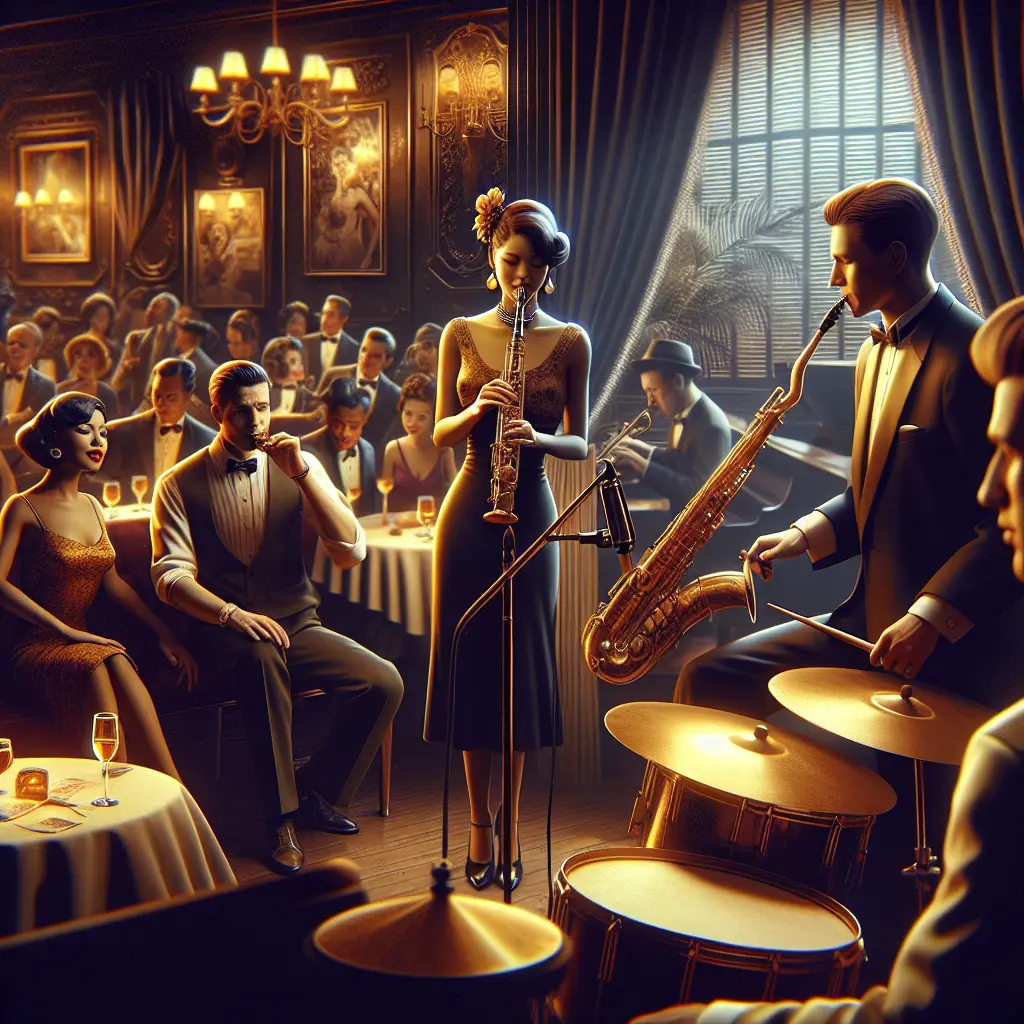
In the vibrant tapestry of the 1920s, a musical revolution was underway that would forever alter the landscape of sound. The pioneering jazz recordings of the 1920s served as a catalyst for a transformative era in music history, marking a significant chapter in the origins of jazz music. As flappers danced and speakeasies thrived, these early jazz recordings captured the innovative spirit and raw energy of the time, setting the stage for a new genre that was as daring as it was dynamic.
The history of jazz music is deeply intertwined with the innovations that characterized this decade. Influential jazz musicians of the 1920s, such as Louis Armstrong and Duke Ellington, emerged as leading figures, their contributions pivotal in the jazz music evolution that would follow. These notable jazz figures of the 1920s were not merely performers but visionaries, whose work contributed to the jazz genre's development and its cultural impact that resonates even today.
In examining these classic jazz recordings and the jazz pioneers of the 1920s, one can trace the jazz music transformation that took place during this influential period. Through a historical jazz analysis, it becomes evident how these early jazz influencers helped shape a genre that defied conventions and celebrated improvisation and innovation.
This exploration into the 1920s jazz artists and their groundbreaking work provides insight into the enduring jazz music legacy they forged. As we delve deeper into this fascinating history, we uncover the milestones that defined an era and set in motion a ripple effect on future generations of musicians and enthusiasts alike. Let us now journey into the heart of this vibrant epoch, where the impact of 1920s jazz continues to echo through time.
The 1920s were a transformative period for the history of jazz music, primarily driven by the pioneering jazz recordings of the 1920s. This era witnessed a series of 1920s jazz innovations that not only shaped the jazz genre development but also laid the groundwork for the cultural impact of 1920s jazz that is still felt today. The early jazz recordings from this period captured a vibrant snapshot of musical evolution, illustrating the origins of jazz music and highlighting the work of influential jazz musicians of the 1920s.
The Pioneering Spirit
In the realm of early jazz recordings, artists such as Louis Armstrong and Duke Ellington emerged as formidable forces. Their groundbreaking work significantly contributed to the jazz music evolution. Armstrong's hot five and hot seven recordings remain classic jazz recordings that illustrate his profound influence as an early jazz influencer. These sessions demonstrated not only his virtuosity but also his innovative approach to improvisation, a hallmark of the jazz music transformation of the 1920s.
Ellington, with his orchestra, pushed the boundaries of what was possible within the genre, introducing sophisticated arrangements and blending different musical styles. These efforts underscored his role among notable jazz figures of the 1920s and highlighted his enduring jazz music legacy.
Some of the most influential jazz recordings from this era include King Oliver’s Creole Jazz Band’s "Dipper Mouth Blues," which showcased the band's collective improvisation skills. This recording is frequently cited in jazz history opinions as a pivotal moment in the genre's development, illustrating how these early recordings were instrumental in shaping a new musical landscape.
Another landmark recording, Bessie Smith's "Downhearted Blues," not only highlighted her powerful vocal prowess but also served as a testament to how jazz music milestones were being achieved across different sub-genres. Smith's work remains a vital part of the historical jazz analysis, demonstrating how vocalists contributed to the jazz genre development.
The Role of Technology
Technological advancements during the 1920s played a crucial role in facilitating these pioneering jazz recordings. The advent of electrical recording techniques allowed for greater fidelity and nuance in capturing performances. This technological shift was pivotal for early jazz influencers, enabling them to reach wider audiences and thus enhancing the cultural impact of 1920s jazz.
For instance, the increased use of phonograph records allowed musicians to distribute their work more broadly, furthering the reach and influence of influential jazz musicians of the 1920s. This development was crucial for artists like Jelly Roll Morton, whose recordings helped cement his status as a key figure in the jazz music transformation 1920s narrative.
Case Studies in Innovation:
- Louis Armstrong's "West End Blues": This recording is often heralded as one of the defining moments in jazz music history. Its innovative use of trumpet solos and intricate rhythms exemplifies the kind of 1920s jazz innovations that set new standards for musicianship and creativity.
- Duke Ellington's "Black and Tan Fantasy": A perfect example of Ellington's visionary approach, this piece blended elements of classical music with traditional jazz, showcasing how 1920s jazz artists were not afraid to experiment with new sounds and ideas.
- Jelly Roll Morton's "Jelly Roll Blues": As one of the earliest published jazz compositions, this work demonstrated Morton's unique ability to fuse ragtime rhythms with blues sensibilities, marking a significant milestone in the origins of jazz music.
Continuing Influence
The impact of 1920s jazz continues to resonate within modern musical contexts. Recent studies have highlighted how contemporary artists draw inspiration from these early recordings, utilizing their innovative spirit to explore new musical territories. This ongoing influence underscores the importance of recognizing and preserving these seminal works within our broader understanding of cultural history.
Moreover, recent retrospectives and exhibitions have celebrated these pioneering artists, ensuring their contributions remain at the forefront of public consciousness. These efforts serve not only to honor the achievements of past musicians but also to inspire future generations who continue to explore and innovate within the genre.
By examining these classic jazz recordings and understanding their context within the broader tapestry of musical history, we gain valuable insights into how these early pioneers forged a path that countless others would follow. Their legacy is not only a testament to their artistry but also a reminder of how innovation and creativity can transcend time, leaving an indelible mark on culture and society.
In reflecting on these developments, one might ask: How will future innovations continue to shape the evolution of jazz? Will new technologies further transform our understanding and appreciation of this rich and dynamic genre? Such questions invite us to continue exploring and engaging with this vibrant chapter in musical history.
The Legacy Continues
The 1920s were a transformative period for jazz music, characterized by groundbreaking recordings that shaped the genre's evolution and cultural impact. Key highlights from this era include:
- Pioneering Artists: Figures like Louis Armstrong and Duke Ellington emerged as influential forces. Armstrong's innovative approach to improvisation and Ellington's sophisticated orchestral arrangements set new standards for jazz musicianship.
- Influential Recordings: Landmark recordings, such as King Oliver’s "Dipper Mouth Blues" and Bessie Smith’s "Downhearted Blues," exemplified the genre's innovative spirit and laid the groundwork for future developments.
- Technological Advancements: The introduction of electrical recording techniques and phonograph records played a crucial role in expanding the reach of jazz music, allowing artists like Jelly Roll Morton to cement their status as pivotal figures in the genre.
- Innovative Works: Iconic pieces like Armstrong's "West End Blues," Ellington's "Black and Tan Fantasy," and Morton's "Jelly Roll Blues" exemplified the creativity and experimentation that defined this dynamic period.
The legacy of 1920s jazz continues to inspire contemporary artists, underscoring the timeless nature of innovation and creativity. As we reflect on this rich history, we must consider how future advancements might further shape jazz. I invite you to share your thoughts on the enduring impact of these early recordings and how they continue to influence today's music landscape.
Thank you for joining me on this exploration of jazz's vibrant past. Keep swinging, and let's continue celebrating the pioneers who have made jazz a cornerstone of cultural history!
Feel free to share your experiences or insights in the comments below.
Keep exploring!


Leave a Comment